
Save the Date: EFA 2026 Annual General Meeting on 28 November 2026

Call for Nominations to Electronic Frontiers Australia Inc. Board EFA members are invited to nominate for election to the Board. As per Rule 10.4 of the EFA Rules of Incorporation, there will be 7 vacant Board seats at the AGM. EFA has been in existence for over 30 years and many past and present Board […]
EFA Advocacy Updates

New Partnership For over a century, Australia has led the world in building a robust democracy. We were among the first nations to offer women the vote. We pioneered the secret ballot. Our elections are free and fair. The foundations of our democratic system are the envy of the world. But to keep it that […]
Privacy Act Reform – Public Consultation on Exposure Draft Legislation

EFA and APF warn the Albanese Government’s 2026 privacy reforms are rushed, hollow, and fall short of protecting Australians from Big Tech surveillance.
International Day of Democracy 2026 and the Business of Outrage: How Social Media Monetizes Political Discord

Written by EFA intern Sara Doczi. Every scroll is a vote of sorts – a like, a share, a moment of outrage – and most of us have no idea who’s counting. This International Day of Democracy falls on 15 September 2026. Perhaps today you might think about how online spaces can change how you […]
Invisible by Design: The Privacy Costs of Meta’s Smart Glasses
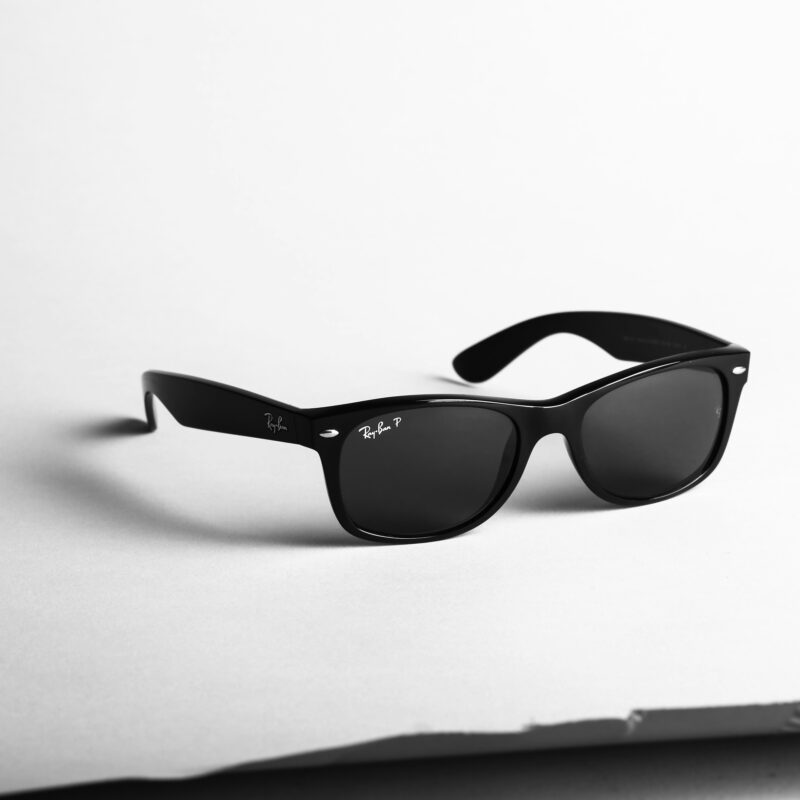
EFA’s Sara Doczi writes about the privacy cost of Meta’s smart glasses.